Everybody arrives with a private agenda.
Priorities, questions, buying context. The useful stuff is already in their heads. The event rarely gets to use it.
Event intelligence for enterprise teams
Badge scans catch attendance. Intent, context, and the conversation that changed everything walk out the door with the people who created them. Humans In Front helps event teams keep that, and put it to work.
The part nobody puts in the recap deck
Registration tells you who showed up. Badge scans tell you who walked past. The things worth knowing, what lit somebody up, which conversation mattered, who should pick it up on Monday, stay in the room.
Priorities, questions, buying context. The useful stuff is already in their heads. The event rarely gets to use it.
Great questions, revealing conversations, unexpected connections. That intelligence has nowhere to go, so it goes into the happy-hour fog.
Sales inherits names without meaning. Sponsors get impressions. Everyone knows something valuable happened. Good luck proving it.
How we stop the good stuff from disappearing
Put the intelligence behind the experience, where it can do the patient work of remembering. Then the right human walks into the next conversation already knowing what matters.
Spot the leak
Map the journey as attendees experience it, and mark every point where your systems drop something.
Follow the signal
Sort for the signals that would change what somebody does next: stated intent, real interactions, and the context around them.
Build the backstage
Prototype the workflow. Show the information moving. Make the opportunity tangible enough that the room can react to something real.
Put humans back in front
Deliver it inside the tools your team already opens, so the whole thing arrives as a better-prepared human in the room.
The leak is not a function of size. A bigger event produces more signal, not less: more rooms, more conversations nobody can be in at once, more context that only exists in somebody's head on the way to the airport. The same four moves work for one flagship or a portfolio of thirty. What changes is how much there is to catch.
You own all of it. It runs in your environment, on your stack. You decide what data it touches and where it lives. There is nothing of mine to log into, and nothing to rip out later. You build an asset you keep. Attendee data stays in systems you already trust, under whatever your legal and privacy teams already signed off on.
It starts with one event. A mapping pass over the journey you already run, then a working prototype of the one piece that would change Monday. Weeks, not quarters, and whatever gets built stays with you.
Same room.Very different reasons to care.
The part people remember
Humans in front.AI in back.
The best AI at an event may be the AI nobody sees. Let the humans host, listen, connect, improvise, and build trust. Let the machines sort signal, preserve context, and tee up the next human moment.
Business in front. Intelligence in back.Yes, we call it The AI Mullet™.
A suspiciously specific combination of experience


Where the work shows up


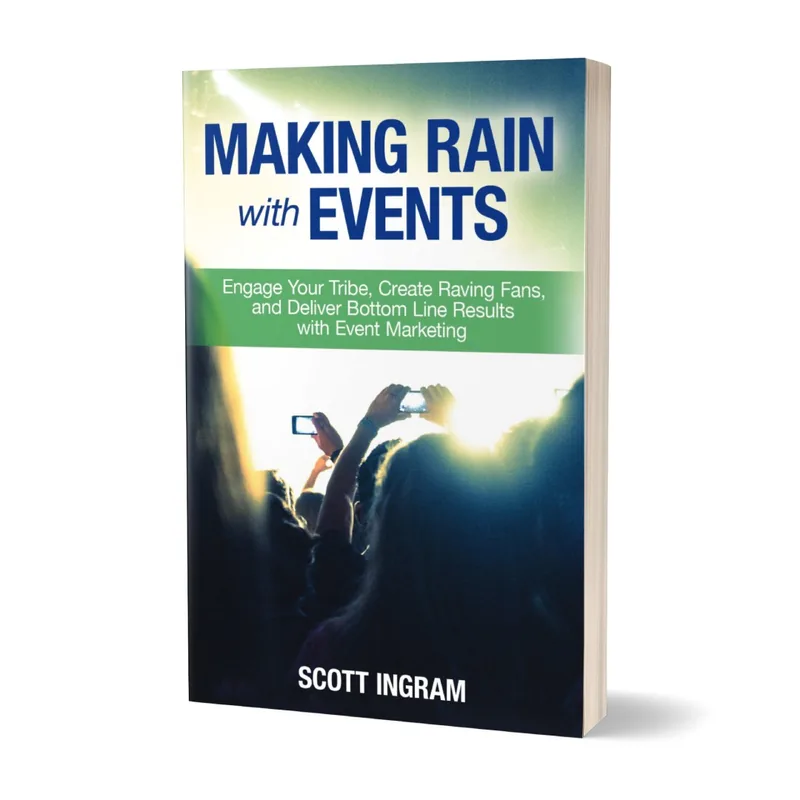
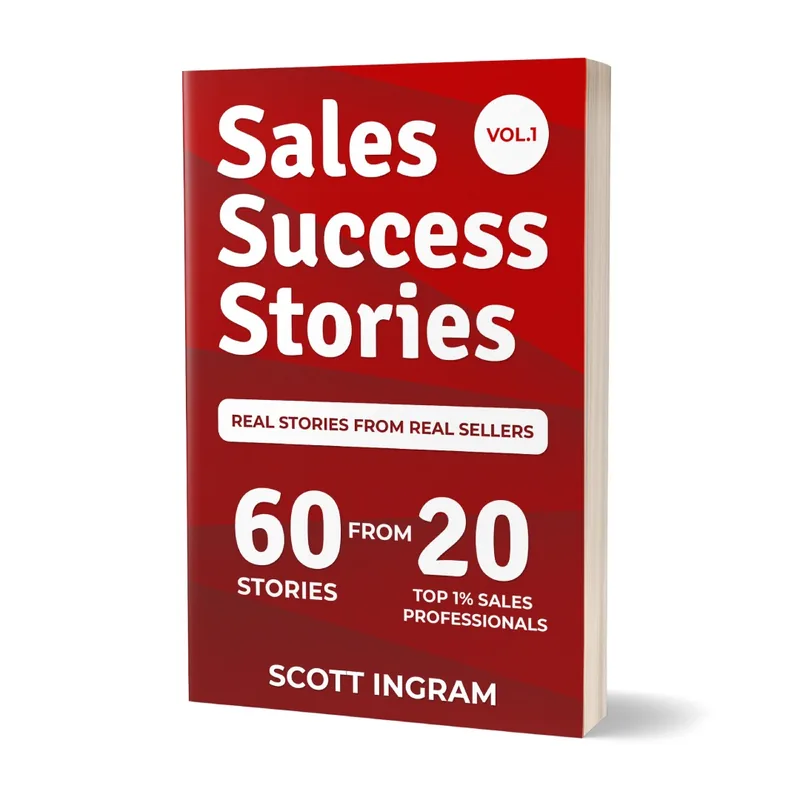
I built the event I am telling you how to run.
For more than twenty years I have sold enterprise software, run events, and followed up for a living. I have sold the event technology, written Making Rain with Events, built the event, interviewed the sellers, worked the hallway, and lived with the follow-up. The method on this page comes from doing the work, not watching it.
Also available
The same argument, built for a stage. For conferences and internal kickoffs that want their people leaving with a point of view about AI they can defend in their own meetings.
See the keynoteThe secret track · side B
The private dinners. The curated rooms. The conversations people actually remember. I help you design those moments on purpose, then capture what they surface so the value doesn't walk out with the guests.
Two ways to keep this moving
Bring the messy version. We start with the event, the people, and the thing you suspect is getting lost.
Continue the conversationFree. Thirty minutes. No pitch, no pricing pressure.